Fiji Water. The name evokes images of pristine beaches and luxurious indulgence. But behind this sparkling façade lies a complex narrative of significant financial success intertwined with substantial environmental and political controversies. This article delves into the world of Fiji Water, exploring its impressive $43 million annual revenue alongside the challenges threatening its future.
Fiji Water's Financial Success: A Sparkling Fortune?
Fiji Water's financial performance is undeniable. Reports indicate annual revenue around $43 million, a testament to its successful branding and marketing strategies. This success stems from positioning itself as a premium bottled water, appealing to consumers willing to pay a premium for perceived quality and image. Strategic acquisitions, such as Justin Vineyards & Winery, further demonstrate the company's ambition for growth and diversification. But this financial success story is far from complete. Is this level of profitability sustainable in the face of mounting challenges? Will consumers continue to justify the premium price point given increasing environmental concerns?
Environmental Concerns: The Price of Pristine
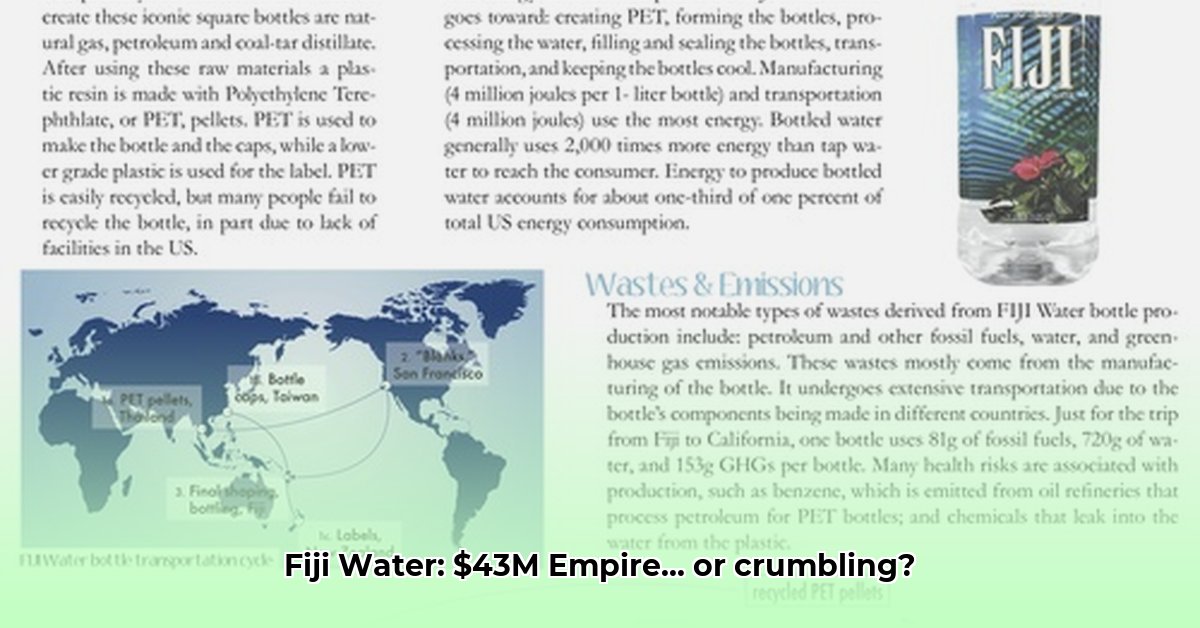
The idyllic image of Fiji Water clashes with growing concerns about its environmental impact. The production of each bottle necessitates a considerable amount of water—estimated at 1.75 gallons per bottle—raising significant concerns in a drought-prone region. Furthermore, the company’s carbon footprint is substantial due to reliance on diesel-powered equipment and extensive global shipping. Reports questioning the authenticity of previously stated carbon offsetting commitments further fuel these concerns. Allegations of microplastic and BPA contamination, along with legal challenges to the company's "natural artesian water" claims, add to the mounting pressure.
How can we reconcile Fiji Water’s financial success with its considerable environmental impact? Are the long-term environmental costs truly outweighed by short-term profits?
Navigating Regulatory Waters: A Rocky Relationship
Fiji Water’s relationship with the Fijian government has been fraught with tension. Public disputes over export taxes, resulting in legal battles, shipment delays, and even executive deportations, highlight the intricate and often adversarial relationship between the company and the nation it draws its resources from. These political tensions create significant uncertainty impacting the company's ability to conduct business unimpeded. This underscores the complexities of operating a global business within a developing nation's regulatory framework. Even FDA statements classifying some recalled products as low health risk have failed to entirely quell consumer unease.
Analyzing the Future: A Crossroads for Fiji Water
Fiji Water stands at a crucial crossroads. Can it maintain its financial success while simultaneously addressing mounting environmental and political concerns? Many experts believe long-term viability hinges on embracing greater transparency and environmental responsibility. This includes investing in sustainable packaging, significantly reducing its carbon footprint through operational changes, and fostering more ethical relationships with the Fijian government. Others argue that the damage may be irreversible, necessitating a fundamental shift in its business model. The path forward remains unclear, presenting a range of potential outcomes.
Key Takeaways:
- Fiji Water's substantial $43 million net worth is overshadowed by pressing sustainability challenges.
- Microplastic contamination and questionable environmental claims undermine its brand image.
- Ongoing lawsuits and independent research raise serious doubts about its marketing practices.
- Increased transparency and verifiable third-party certifications are crucial for rebuilding consumer trust.
A Call for Transparency and Sustainable Practices
The future of Fiji Water rests on its ability to navigate this complex web of financial success, environmental responsibility, and political realities. Its response to these challenges will not only affect its own future but also serve as a crucial case study for other corporations grappling with the increasing need to balance profit with sustainability and ethical conduct. The industry, and consumers, are demanding accountability. Fiji Water's response to this demand will determine its ultimate legacy.